
The Three Phases of Allergy Drop Treatment Explained
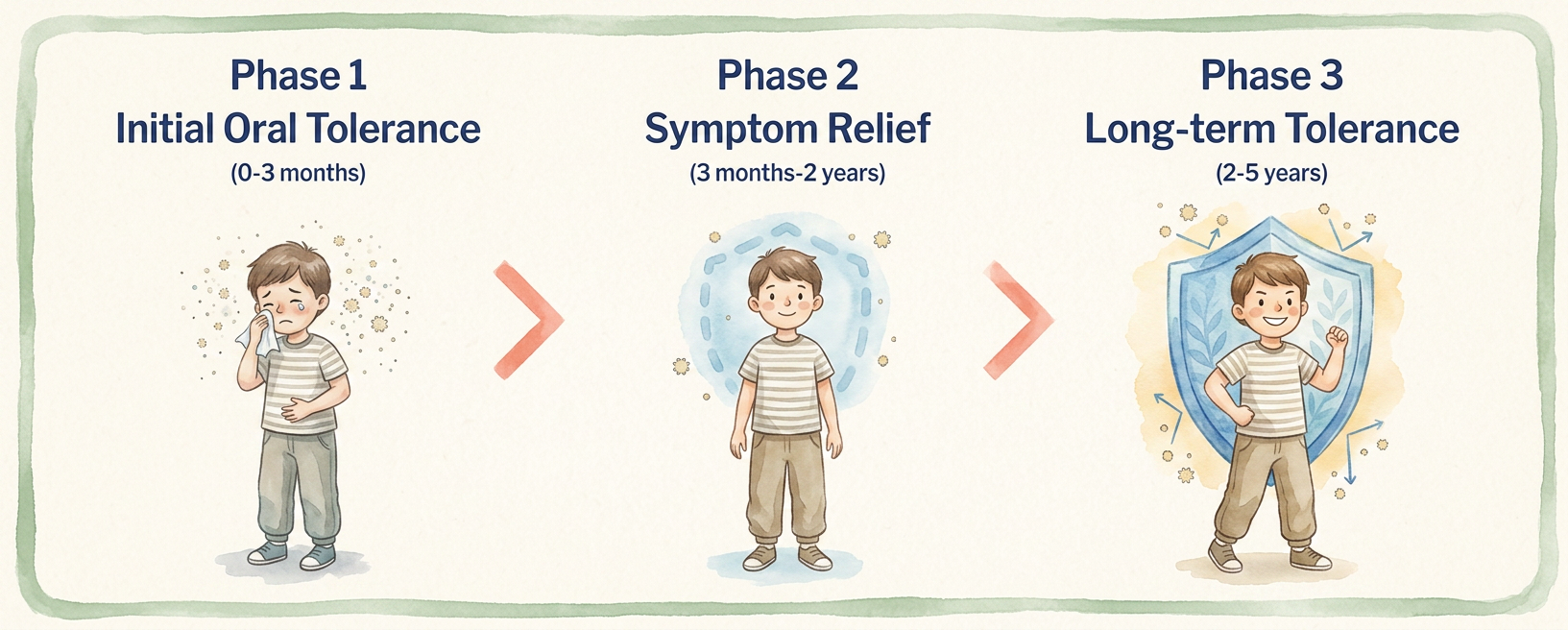
Allergy treatment at Allergy Associates of La Crosse (AAOL) isn’t an overnight fix – your immune system needs time to build tolerance. Here's what you can expect during each phase of treatment and how your progress builds over time.
Phase 1: Initial Oral Tolerance
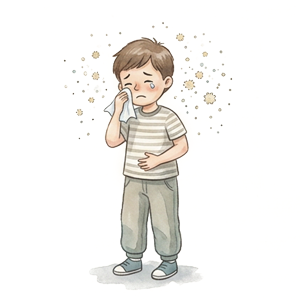 From the first allergy drop dose for up to three months, the body is just getting used to being exposed to allergens sublingually – meaning under the tongue. Allergy drops are placed under the tongue because this is where the most dendritic cells in the body are located. These immune cells are those that help build tolerance over time.
During this phase, the body may react with minor throat and mouth itching, but it should decrease as tolerance begins to build. Since the dose is custom to each patient, it contains enough of each allergen to help build tolerance, but not too much to cause unnecessary reactions.
Phase 2: Symptom Relief
 Phase two is when patients start to feel a little bit of relief from their allergies. From three months to two years of treatment, the body is starting to gain allergen tolerance, and symptoms can start to be lessened.
Throughout treatment, the volume of allergens in allergy drops is slowly and safely increased so that the body continually learns to tolerate more and more of them. The goal is to gradually teach your immune system that these allergens aren't a threat, so when you're exposed naturally, it reacts less.
While you may start to feel progress with your symptoms, it’s important to continue with treatment into phase three so you can feel better in the long-term.
Phase 3: Long Term Tolerance
 The length of phase three of treatment depends on the severity of allergies and the patient's tolerance to treatment. For most patients, treatment lasts three to five years. Phase three generally begins around the two-year mark and continues until your allergy provider determines you've built lasting tolerance.
In this phase, the body is learning to tolerate allergens long-term, even after you stop treatment.
Throughout treatment at AAOL, allergy testing is done periodically to determine how well your body is developing tolerance to your offending allergens. Monitoring that progress, with continued exams and symptom tracking, can help them determine when treatment is complete.
The goal with treatment for environmental allergens is that your symptoms are reduced – or even eliminated. With food allergy treatment, some may be able to reintroduce their problem foods, and most will have an added layer of safety in case of accidental exposure.
Get Started
Although allergy drops take time to work, each phase is an important step toward long-term relief by treating the cause of allergies, and hundreds of thousands of patients have benefited. If you’re ready to treat the cause of your allergies, start by scheduling a consult with a provider at AAOL.

Posted in La Crosse Method Protocol and tagged Allergies, Allergy Drops, Allergy Treatment, Pediatric Allergy, Phases.